








































of verified traveler reviews from
Cool Broadway and TripAdvisor
For most New York visitors, a Broadway show is the fixed point of the trip, and the rest of the day gets planned around it. Broadway's playhouses sit close together in Midtown Manhattan, in the blocks around Times Square, so once you know where your theater is and when the curtain goes up, you can plan the hours before it. The tours on this site are for the daylight part of that plan: harbor cruises, an observation deck beside Grand Central, guided days across Manhattan and into Brooklyn, the Bronx and Queens, and plenty for children.
The Theater District around Times Square
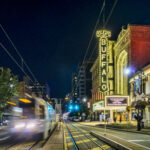
Few Broadway houses are on Broadway itself. They stand on the side streets west of Times Square, largely in the Forties and low Fifties between Sixth and Eighth Avenues, and many of them date from the early twentieth century. In the evening their marquees light up the cross streets, and the sidewalks fill with people looking for their door. Shubert Alley, a short private lane between West 44th and 45th Streets, runs between two of the older theaters, and the block of West 46th Street between Eighth and Ninth Avenues is called Restaurant Row for its row of restaurants that serve pre-theater dinners.
The name Broadway describes the size of the theater as much as its address: the big houses are Broadway, and smaller stages around the city are called Off-Broadway. Plenty of shows that later moved to Broadway began there. Times Square is at its busiest in the hour before curtain and again when the shows let out, so give yourself extra time to walk the last few blocks, especially if you are coming from dinner.
Choosing a show and timing your night
Begin with the evening you want rather than the title everyone mentions. Long-running musicals usually suit first-time visitors and mixed-age groups, while plays and newer productions tend to reward people who already know what they like. Check the running time and any age guidance for your show: some are written for adults, and some run close to three hours with an intermission.
Shows play in the evening and add a few afternoon matinees each week, and nearly every production takes one night off, so check your show's schedule before you build a trip around a particular evening. A matinee frees the night for a late dinner or an evening on the water; an evening show leaves the morning and early afternoon for touring. Seats are sold as orchestra on the ground floor and mezzanine or balcony above it, so decide whether you want to be close to the actors or high enough to see the whole stage at once.
Daytime tours that end before curtain
On a show day, pick something with a clear finish time and a starting point close to Midtown. The Grand Central secrets tour runs about 90 minutes in a small group, and the terminal is on 42nd Street, the same street as Times Square, a crosstown walk away. It fits neatly into the morning of a matinee day. Next door to the terminal, the SUMMIT One Vanderbilt ticket is listed at around three hours, enough for a slow look at the Chrysler Building and the skyline before you head west for an evening performance.
If you have only one full day for sightseeing, keep it free of theater. The New York in One Day guided tour takes about six hours and is built for visitors who want a guide to handle the route between the big sights. It is listed as kid friendly, so it works for families too. Pair it with an evening curtain only if your group still has energy at the end of a long day. For something shorter and darker in tone, the site also lists a 90-minute candlelit visit to New York catacombs, which suits a day when you have no show.
Harbor cruises, the Statue of Liberty and the islands
From the water you can see how Manhattan's neighborhoods, bridges and harbor islands connect. The complete Manhattan Island cruise takes about two and a half hours to circle the whole island, so you pass under the Brooklyn Bridge and the George Washington Bridge and see Lower Manhattan, with One World Trade Center, from New York Harbor. Shorter landmark cruises and a fast speedboat ride are also listed for days when time is tight, and the Day Cruises category is where to look for a trip on the morning before a matinee or the early evening after one.
The harbor is also the way to the Statue of Liberty, Ellis Island and Governors Island; search the site by attraction for tours that include these places. On the west side, Hudson Yards is close to the river, and Little Island, a park built out over the Hudson further downtown, makes a good walk on a free afternoon. Back in Lower Manhattan, the National September 11 Memorial & Museum is a quieter, more reflective stop that deserves its own unhurried morning.
The other boroughs and family days
Your show will keep you in Midtown for at least one evening, but the other boroughs are worth a day of their own. The bus tour of Brooklyn, the Bronx and Queens spends about six hours on art, food and sports outside Manhattan, a good pick for repeat visitors and for groups who would rather ride than walk. Yankee Stadium is in the Bronx, and Harlem has its own long stage history at the Apollo Theater, which makes it a natural extra for anyone who came to New York for live performance.
Traveling with children? The Kid Friendly category covers museum tickets, harbor trips and passes, including admission to the natural history museum on the Upper West Side, a short walk from Central Park, which is the obvious free break between a busy morning and a family matinee. American Dream, across the river in New Jersey, has indoor water park and theme park tickets for a full day that does not depend on the weather. Two simple patterns for planning:
- Evening show day: an observation deck or a museum after lunch, then an early meal on Restaurant Row.
- A night with no show: take the long harbor cruise in the afternoon and see Times Square lit up after dinner.